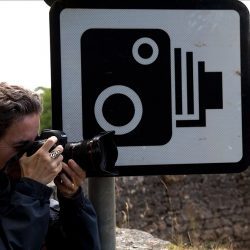
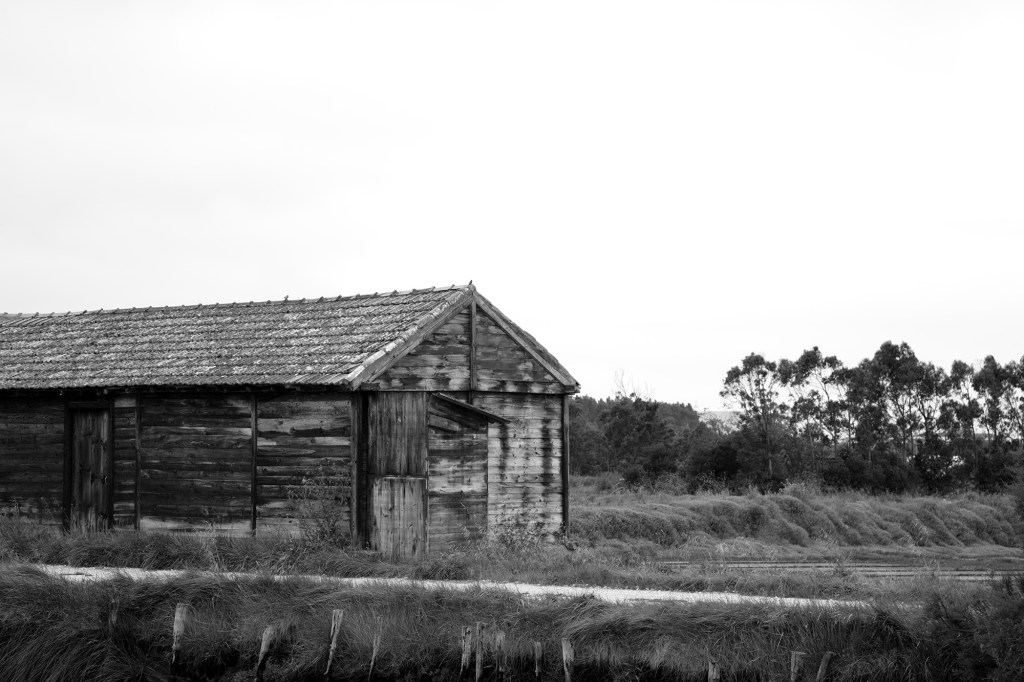
um instante na memória de chegares é mais valioso do que jardins, do que montanhas, do que anos de tempo.
José Luís Peixoto (A Casa, a Escuridão)

um instante na memória de chegares é mais valioso do que jardins, do que montanhas, do que anos de tempo.
José Luís Peixoto (A Casa, a Escuridão)
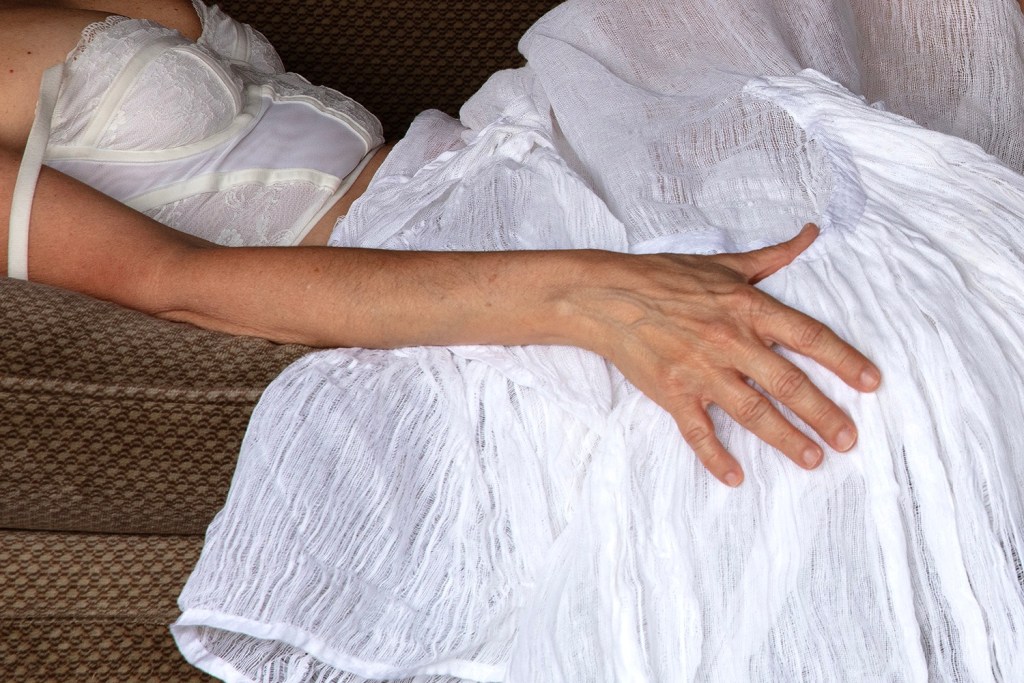
Você não tem medo de mim
Você tem medo é do amor
Que você guarda para mim
Você não tem medo de mim
Você não tem medo de mim
Você tem medo é de você
Você tem medo é de querer
Me amar
Adriana Calcanhotto
[ouça aqui]
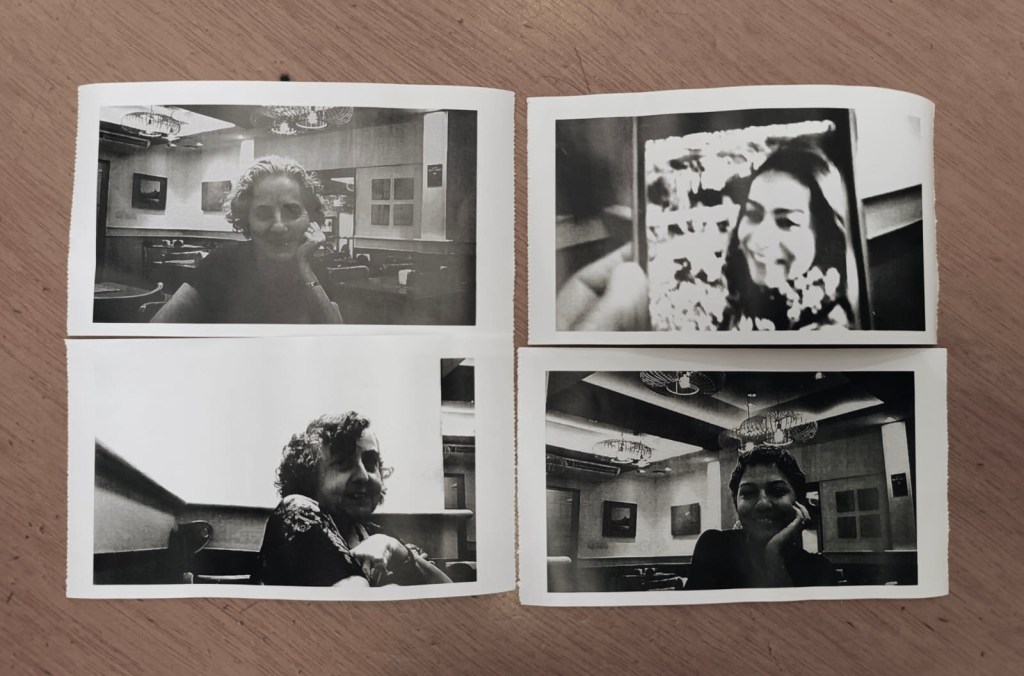
e das ausências que se fazem presentes. Sempre.
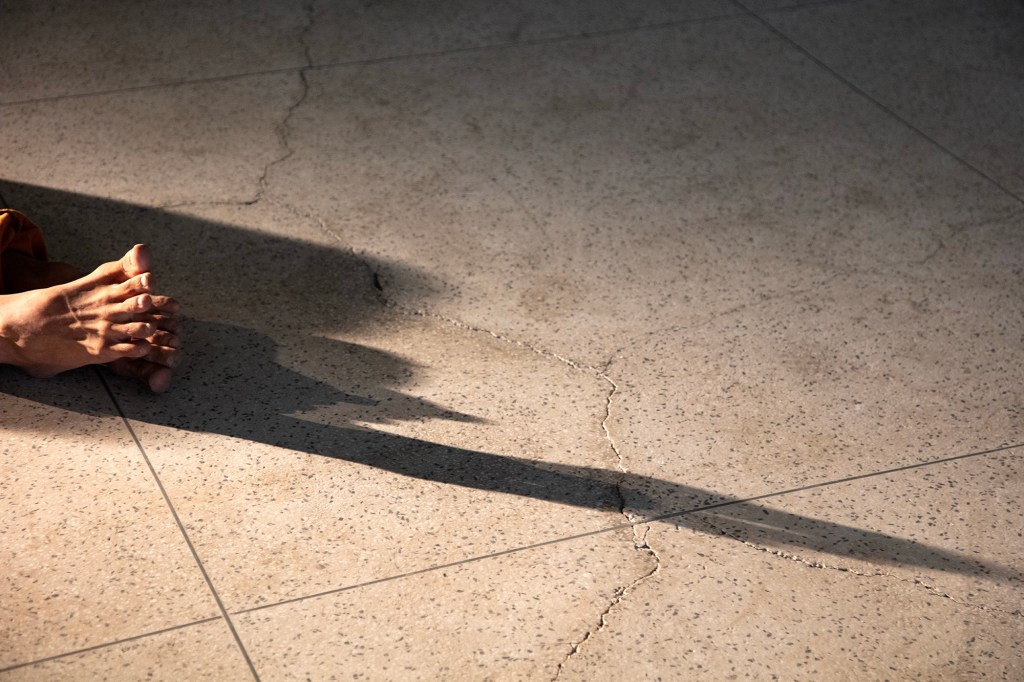
Humanity: the ability to put ourselves in someone else’s shoes. If we choose not to do so, we are not human. We are something else, but not human. Something else. Something.
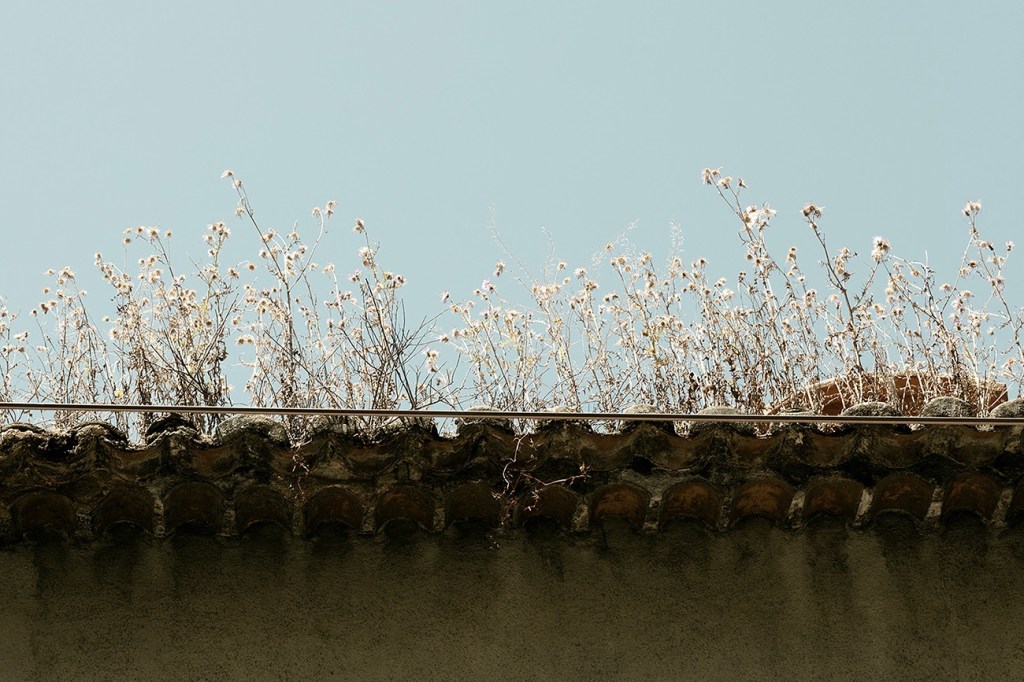
Searching for meaning in life is like asking a mountain to explain what a kiss is.
Texts | Paulo Kellerman
Photos | Ana Gilbert
PORTABLE LINK , a dialogue between photography and literature
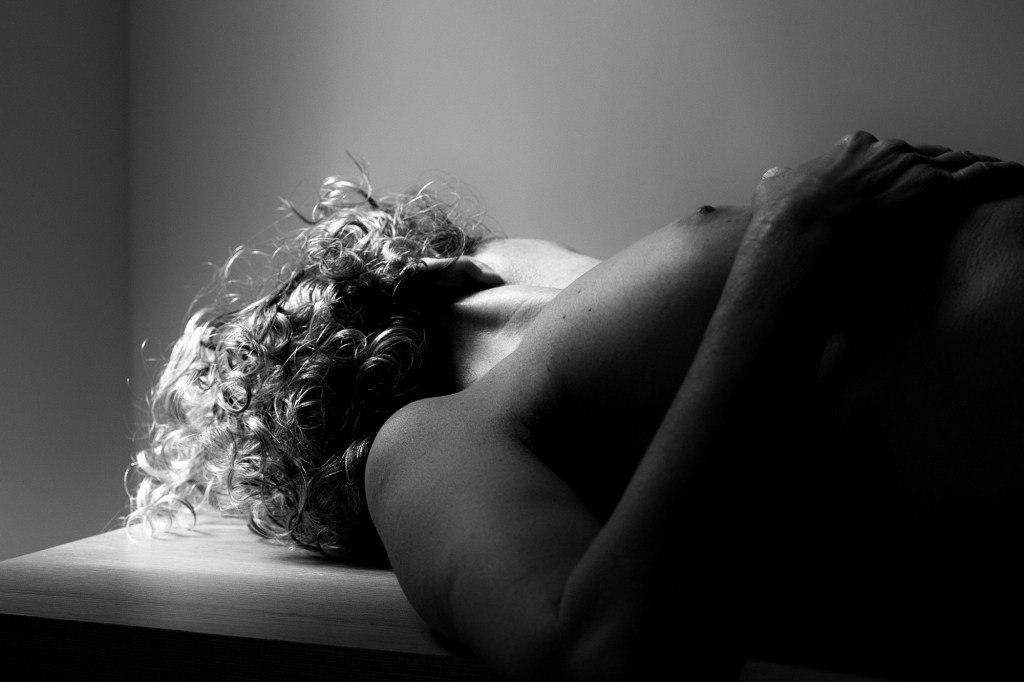
“Ter nascido significa isto: não ser puro, não ser si mesmo, ter em si alguma coisa que vem de outro lugar, alguma coisa de estranho que nos leva a nos tornarmos a cada vez estrangeiros a nós mesmos.”
Emanuele Coccia (Metamorfoses, 2022)
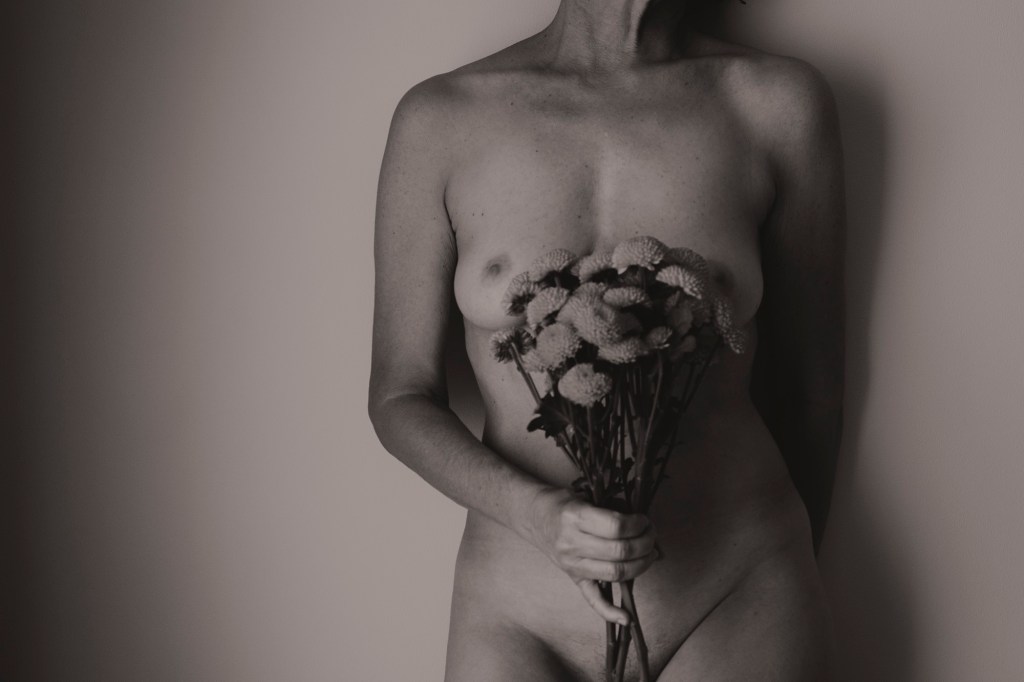
It is this body that holds all that I am.
An envelope that contains me,
Defines me,
Limits me.
And everything I am is born in it.
But is everything that is born in my body mine?
Universes of desires that arise and grow
And multiply,
Fleeting or perhaps eternal,
Powerful and immense in their power
Of disconcerting.
Do they belong to me?
Desires that are dreams
Without flesh
Or material density
Or geometric contour
Or palpability.
Perhaps dreams are a concrete reality,
As concrete as the most consistent
Of realities.
Concrete like a tree or a bridge or a clothesline or a fire
Or a body.m
But a reality lacking the senses.
Concrete,
But without dimension or volume.
Without physical outline or measurability,
Just intention and design.
Like when you say you want to give me a hug
Or a kiss,
But you do not really give me a hug
Or a kiss.
My body produces universes of desires,
Immense in their power
Of disconcerting.
But useless.
What good are dreams
If you cannot touch them?
in And when the questions are over? REIMAGINED
Paulo Kellerman (text) & Ana Gilbert (photo)

Nem Bestas Nem Santas, performance da companhia teatral Nem Marias Nem Manéis
O Manual compôs uma das onze instalações que fizeram parte da performance, que aconteceu no passado 19 de setembro, no m|i|mo. Além da leitura, o público foi convidado a participar, acrescentando suas próprias ideias sobre independência. Esta é uma de suas páginas.
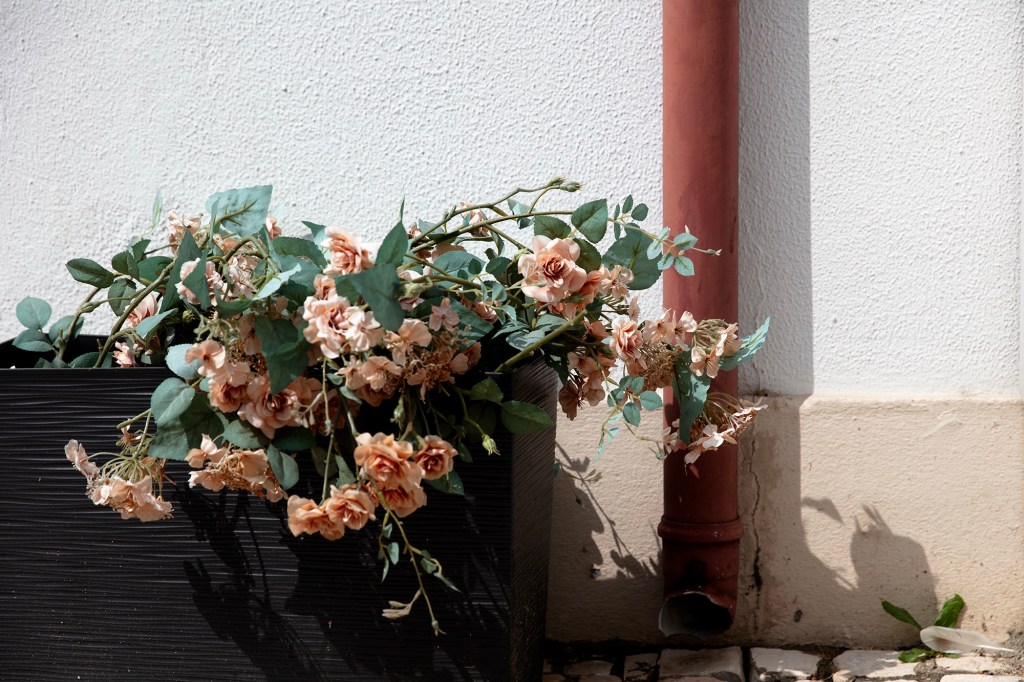
Clarificação
O que farias se o teu filho estivesse a morrer de fome?
texto | Paulo Kellerman
fotografia | Ana Gilbert
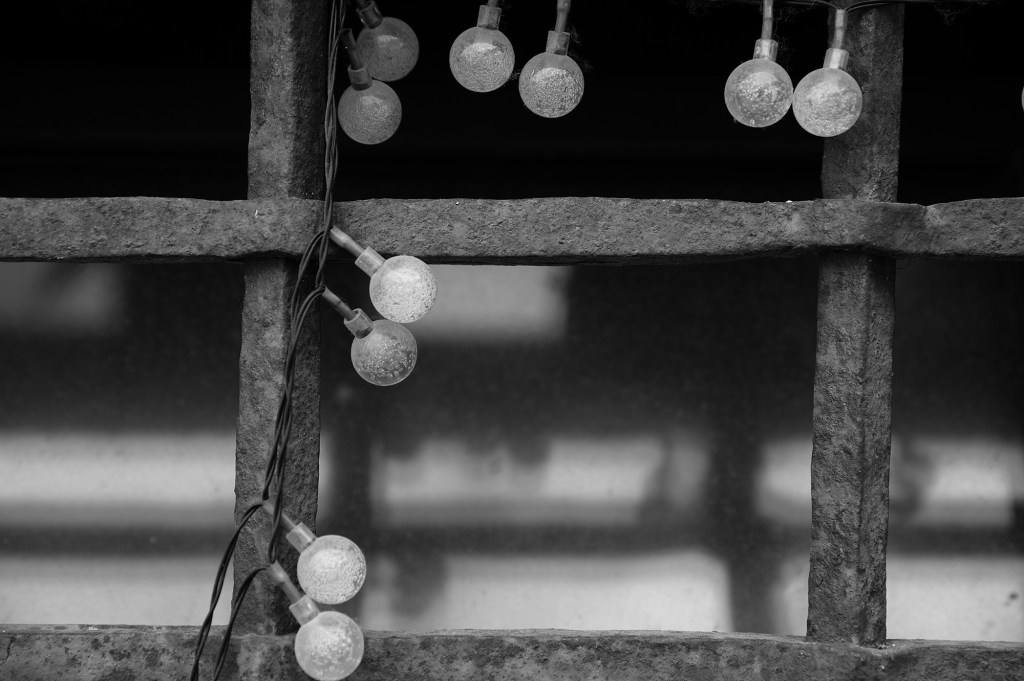
“Nós somos um mesmo mundo e uma mesma substância”.
Emanuele Coccia (Metamorfoses)
[isto também é sobre Gaza]
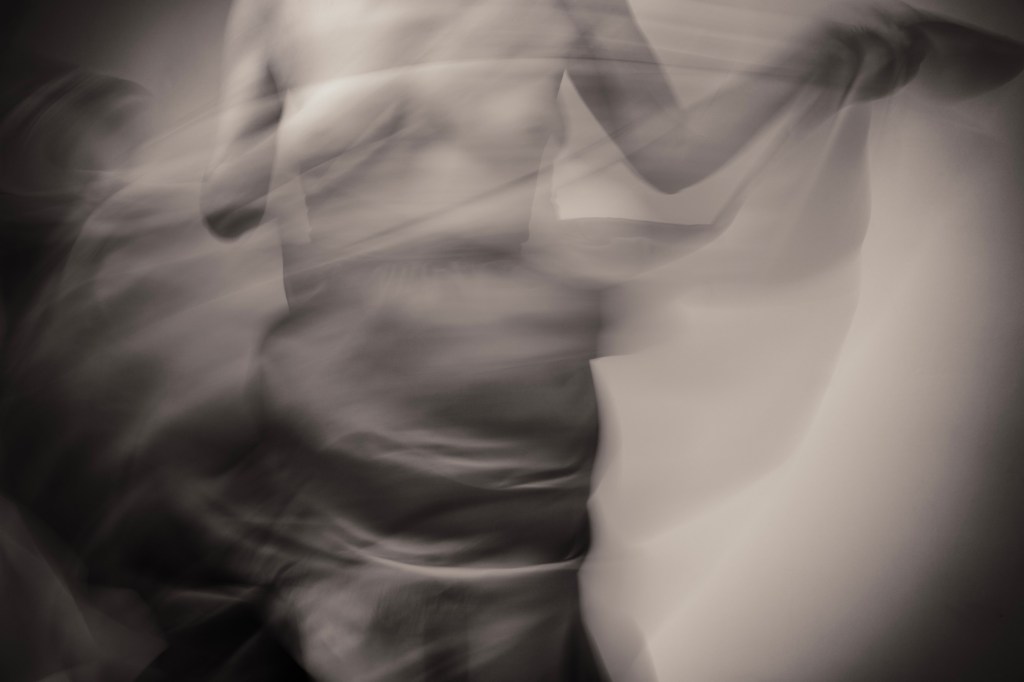
Esta é a minha contribuição para a performance NEM BESTAS NEM SANTAS, com o tema da opressão do feminino e o patrimônio intemporal de feminilidade.
É a quarta produção NEM MARIAS NEM MANÉIS, uma companhia jovem que tem produzido trabalhos contundentes e poéticos que nos fazem sentir e questionar. E, principalmente, que nos irmanam numa experiência de coletividade.
Parabéns e muito obrigada.
A performance aconteceu ontem, 19 de setembro, no m|i|mo, em diálogo com a bela exposição do nosso projeto FOTOGRAFAR PALAVRAS, em Leiria, Portugal, essa cidade que também é casa.
…..
“Olha as estrelas e pensa: são minhas testemunhas.
Pensa: estão a ver tudo o que sinto e faço.
Tal como viram tudo o que biliões de outras mulheres
sentiram e fizeram.
Desde a primeira mulher que viveu.
As estrelas são as mesmas. Aquelas que tu própria podes olhar enquanto pensas: são minhas testemunhas.”
…..
Texto: Paulo Kellerman
Encenação e Dramaturgia: Cátia Ribeiro
Interpretação: Andreia Mateus, Catarina Mamede, Cátia Ribeiro e Rita Rosa
Movimento coreográfico: Cátia Ribeiro e Rita Rosa
Ilustração ao vivo: Maraia
Música: Nelson Brites
Vídeo: Milady
Artes manuais: Cátia Ribeiro e Sandra Ribeiro
Círculo: Daniela Mateus, Dora Fonseca, Fátima Gonçalves e Mariana Lourenço
Fotografia: Ana Gilbert, Andreia Mateus, Anna Monica Rigon, Anna Papachristou, Carina Martinho Coelho, Carolina Geiger, Cristina Vicente, Elsa Arrais, Fabiana Fraga, Federica (Final Girl 7), Jelena Stankovic, Joana Neves, Julie Flam, Martha Takahashi, Nadir Social Lens, Sêmmada Arrais, Sílvia Bernardino, Teresa Santos e Vanda Cristina
Fotografia de Cena e produção: Cristina Vicente

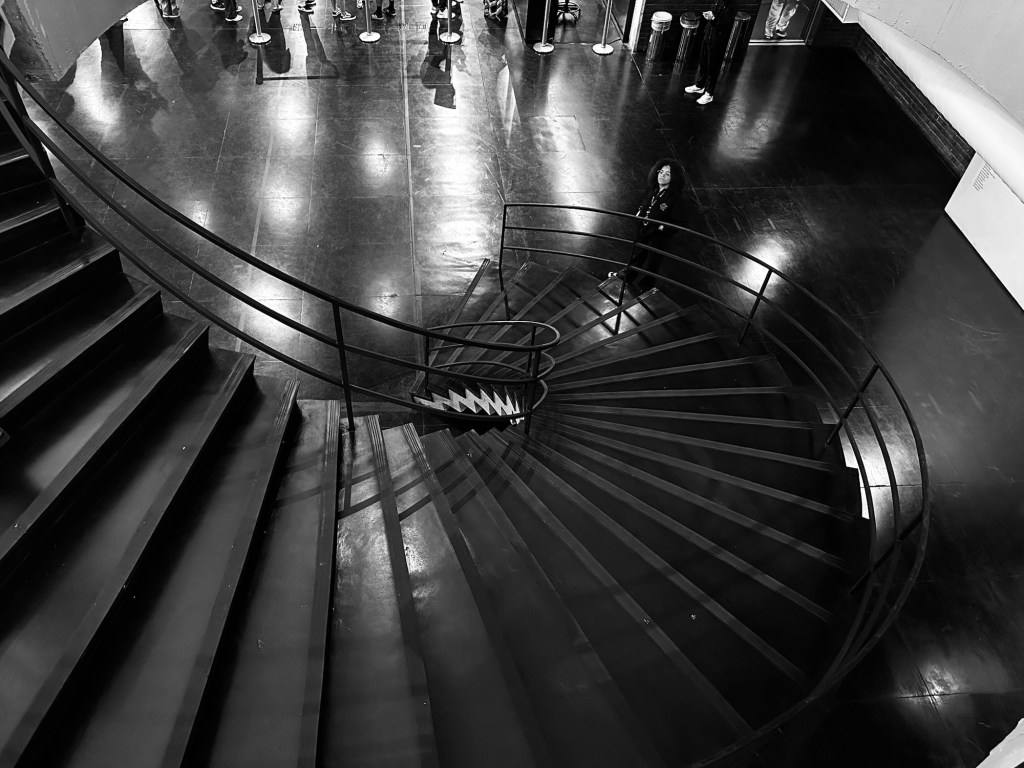
“Somos essa vida que compartilha o corpo de um outro, prolongada e levada para outro lugar.”
Emanuele Coccia (Metamorfoses, 2022)
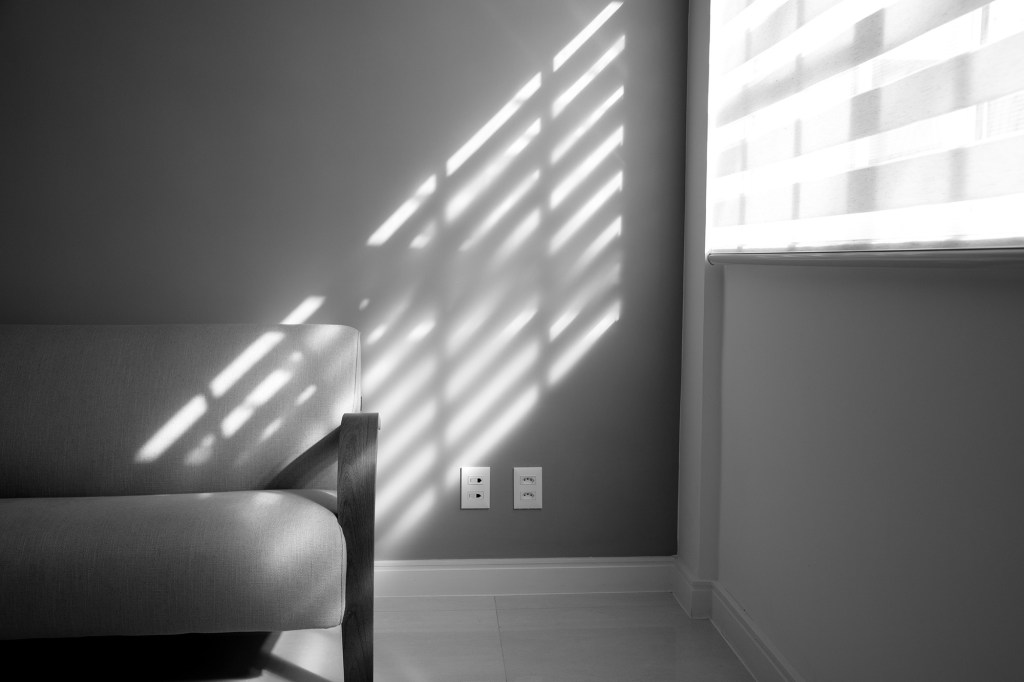
Dia caindo em horas mornas; a saudade, provocante, desenha tempo com luz, aproximando-se em intervalos sussurrados:
– Contas-me os teus segredos?
…..
The day falling into lukewarm hours; longing, provocative, drawing time with light, approaching at whispered intervals:
– Will you tell me your secrets?
Text(o) | Cristina Vicente
in LATITUDES, 2025
Ana Gilbert & Cristina Vicente

excerto de carta de 18/09/1992, de Nise da Silveira a Marco Lucchesi (in Viagem a Florença, de Marco Lucchesi, 2025)

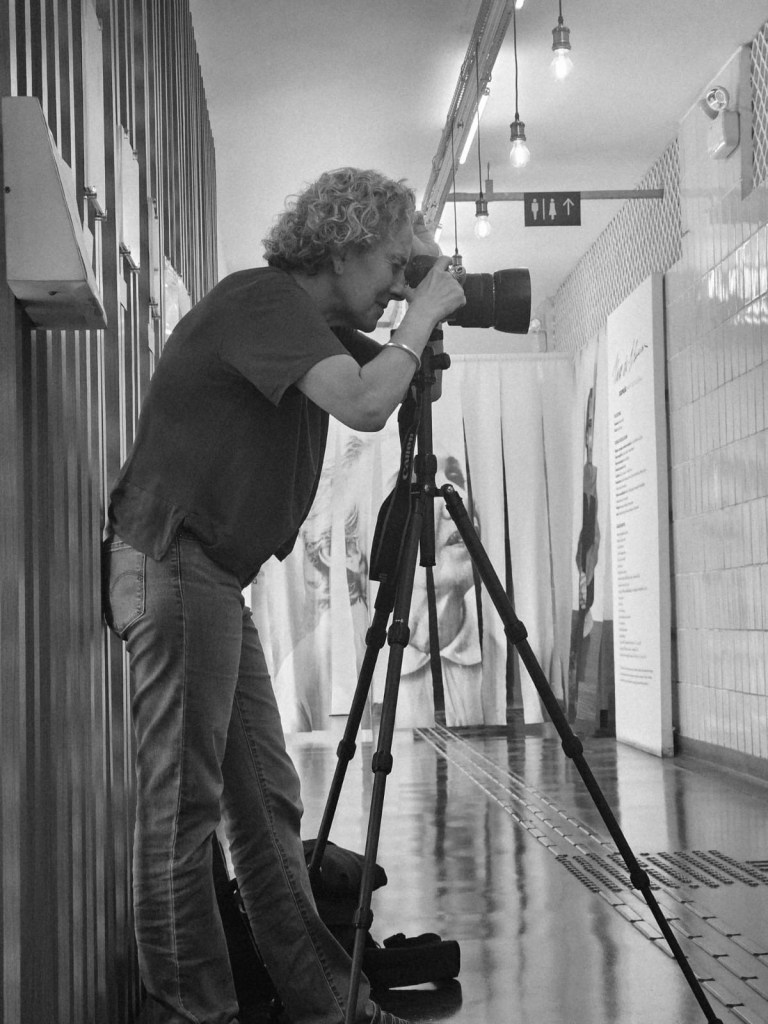
com Sigrid Haikel

“eu deixei a luz em
dias como este conheço o
olhar sem imagens dentro”
valter hugo mãe (publicação da mortalidade)
[detalhe de anos-luz, instalação de bia lessa – mam]
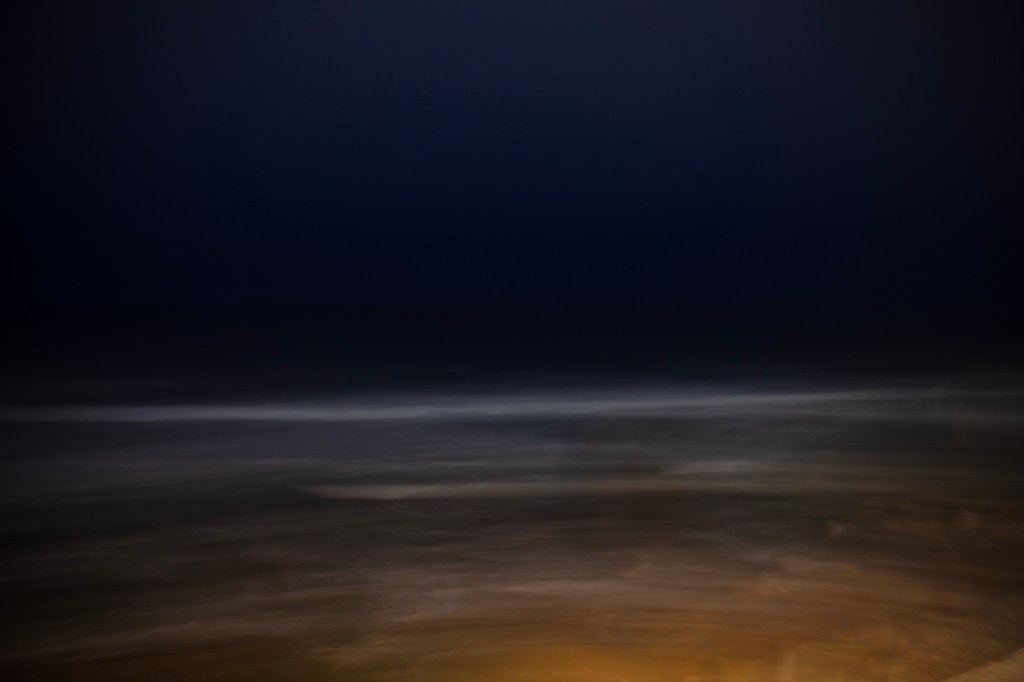


“Vento que enviesa, que vinga da banda do mar.”
João Guimarães Rosa (Grande sertão: veredas)
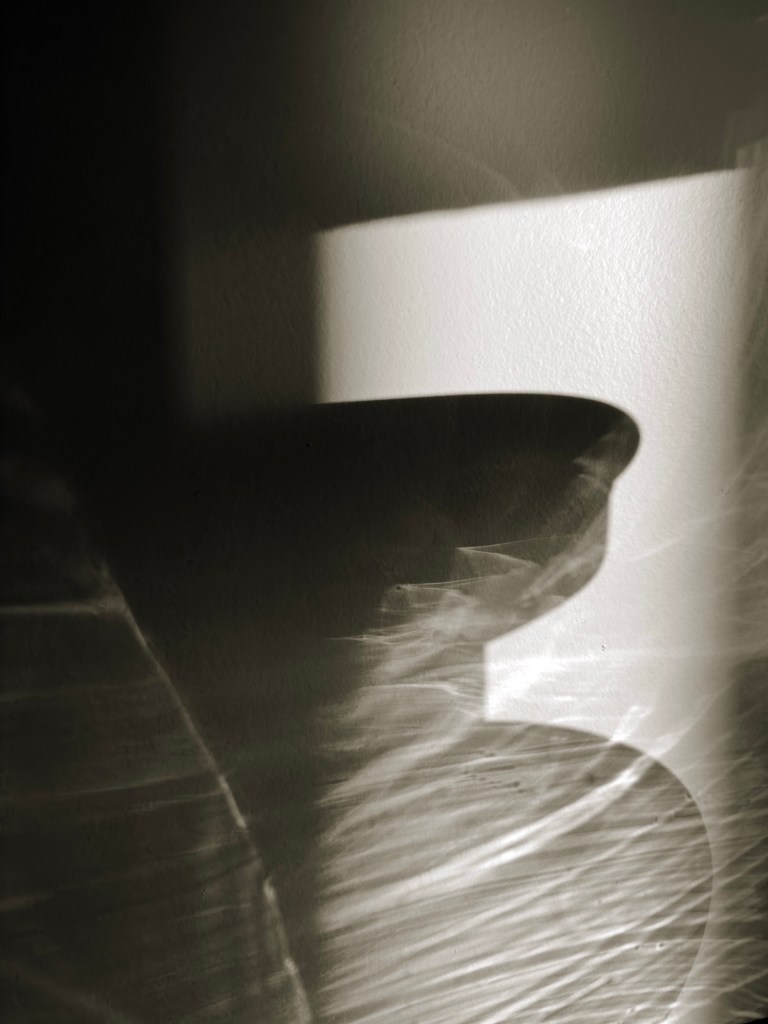
“I lie suspended like a hair or a feather in the cloudy mixtures of memory.”
Lawrence Durrell (The Alexandria Quartet)

 Sutilezas do olhar